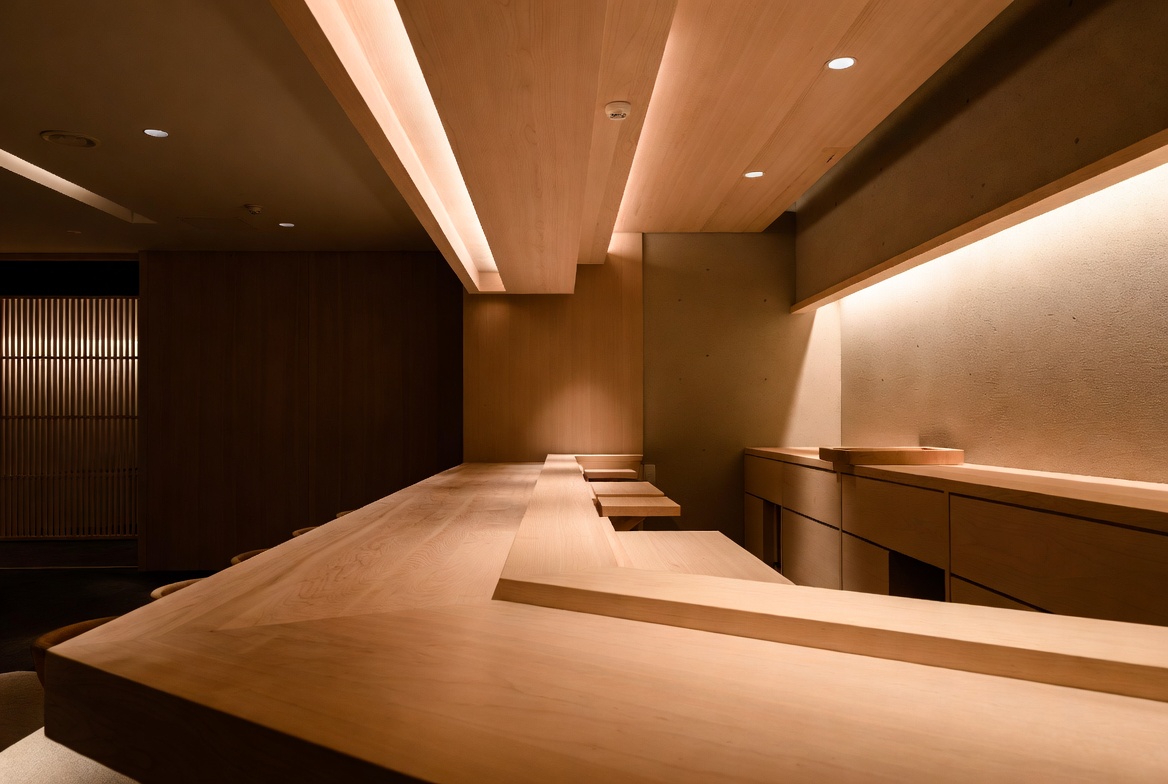
The Heritage of Edomae Sushi
Edomae sushi represents the pinnacle of Japanese culinary artistry, originating in Tokyo (formerly Edo) during the early 19th century. This traditional style of sushi making emphasizes the perfect harmony between carefully selected seasonal fish and expertly seasoned sushi rice.
Essential Elements of Authentic Sushi
The foundation of exceptional sushi lies in three crucial components: the freshness of the fish, the temperature and texture of the rice, and the skill of the sushi chef (itamae). Each piece is crafted with precision, ensuring the rice temperature complements the fish while the seasoning enhances natural flavors.
Seasonal Fish Selection
Traditional sushi follows the Japanese concept of seasonality (shun), where specific fish are featured when they reach peak flavor. Spring brings kohada (gizzard shad), summer offers aji (horse mackerel), autumn showcases sanma (pacific saury), and winter presents the prized tuna varieties.
The Role of the Sushi Chef
A master sushi chef undergoes years of training to perfect their craft. From rice preparation to knife skills, every aspect requires dedication and continuous refinement. The relationship between chef and customer is integral to the authentic sushi experience, with chefs often recommending the best selections of the day.
Modern Appreciation of Traditional Techniques
While sushi has evolved globally, the appreciation for traditional Edomae techniques continues to grow. Authentic sushi restaurants worldwide now emphasize these time-honored methods, ensuring the preservation of this remarkable culinary tradition for future generations.